5 Benefits of Regular Roof Inspections
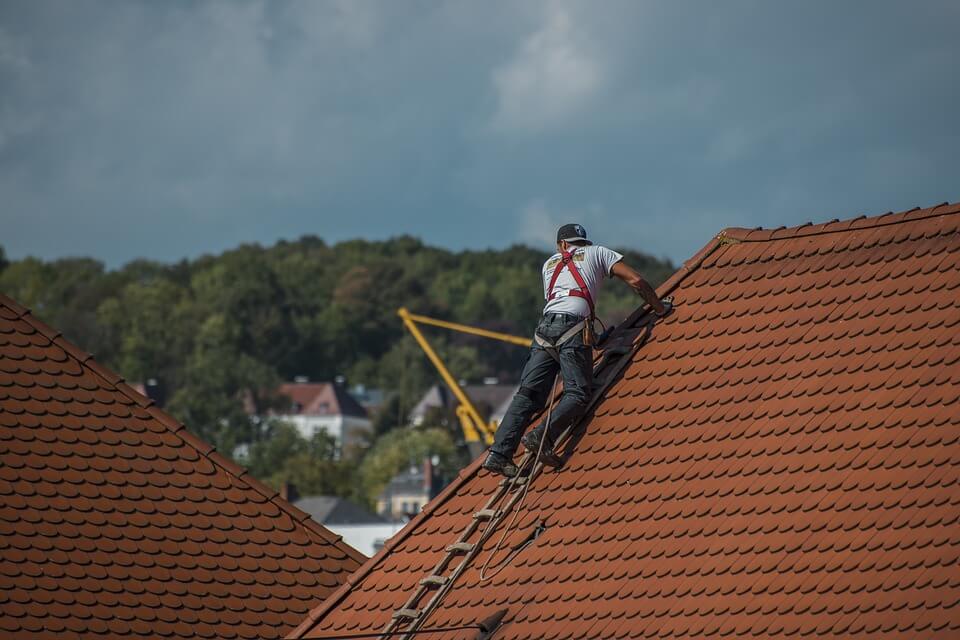
A good roof not only protects the occupants, properties, and the building from natural elements, but it also offers aesthetic value. Many homeowners neglect regular roof maintenance, only for it to cost them much later in repair works they could have avoided.
How often you inspect the roof should depend on the roofing material, durability, and construction type. The recommended roof inspection frequency is at least twice a year in the spring and fall seasons. However, after heavy storms or when you suspect your roof has damage, get it checked to alleviate damage to your property. We have compiled some compelling reasons as to why you need to inspect your roof regularly.
1. Extend your roof's lifespan
Even with regular maintenance and repair works, with time, your roof will start to age. Most roof replacements happen after 15 years, depending on the damage from weather elements and all manner of wear and tear. Engage the services of top roofing companies in Phoenix, AZ, to carry out regular roof inspections for you, which will help keep the roof healthy and extend its lifespan.
Professional roofers have the expertise to detect leaks early enough and carry out necessary repairs before a major catastrophe damages the whole property.
2. Aids in roof warranty protection
Some roofing warranties require homeowners to have regular roof inspections to avoid warranty voidance as only some types of repairs can be covered. Weather elements like heavy storms can cause damage to the roof but take time before the extent of the damage can begin to show. This delay between when the damage occurs and when it gets noticed can complicate your insurance claim. With routine roof inspections by a roofing expert, especially after going through bad weather, it is easier to capture roof damages and their extent in time and in a detailed report for ease of filing and warranty protection.
3. Reduces repair costs
Major roof repairs can be expensive as this could also cause other structural damages to the property. Roof damage allows in moisture, causing mold to grow, which poses a great danger to the house occupants and destroys the walls. Regular roof inspections can help you detect these problems early and take care of them before causing further wrecks. This enables you to save money on repairs and extend the roof's lifespan.
4. Ensures proper drainage
Minimize the risk of natural calamities by having a good strong roof to withstand them. This means ensuring that the roof and its components can drain off the water properly. When dust, leaves, and debris collect the roof, they obstruct drainage and clog the gutters.
When water pools on the roof, it poses a danger of leaking into the house and causing damage to both the roof and your property inside the house. With regular inspection, you can notice these in time, clear them off the roof, and unblock the gutters for proper drainage.
5. Enhances security
Besides offering protection from weather elements, a roof completes the external barrier that protects your home and its occupants from intruders. Regular roof inspections will reveal any vulnerable spots like unlocked roof hatches through which burglars can access your home.
Endnote
It is possible to inspect your roof independently and only engage the professionals should you find any issues that require their attention. Drone technology can help you get a good look at the roof's condition without leaving the ground. However, hiring roofing professionals is always recommended for warranty and insurance purposes, along with avoiding making costly mistakes and getting the job done right.