A Renter's Guide to Navigating Boston Roads During Winter Storms in 2026
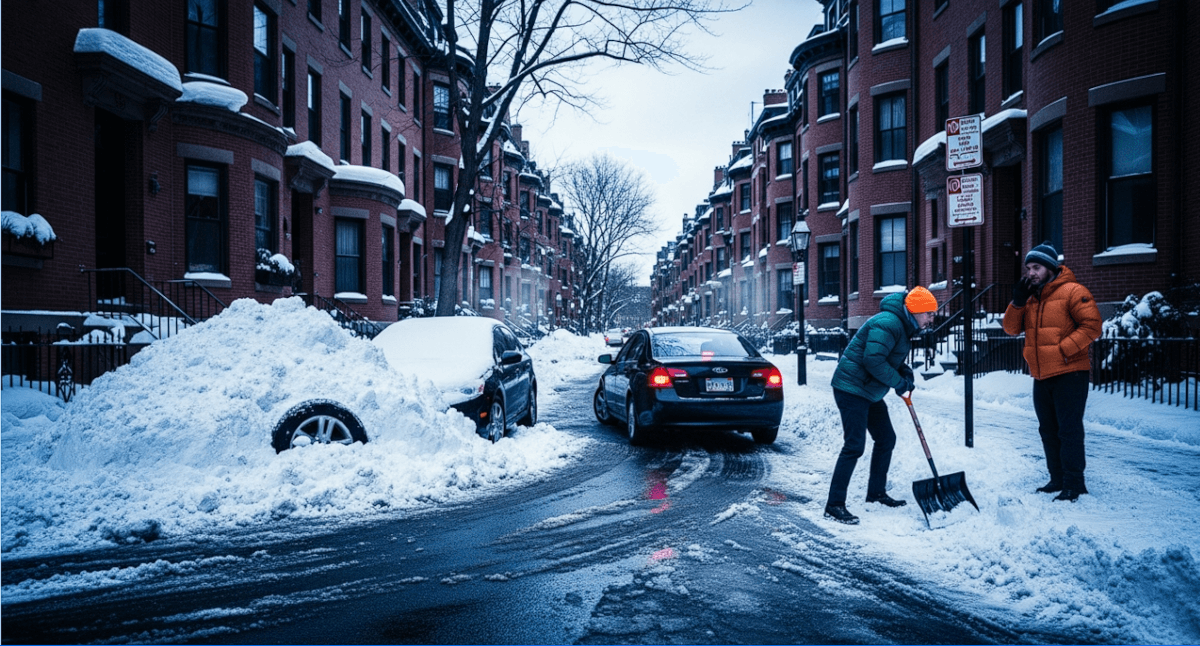
A Boston winter storm is a predictable yet disruptive event. The city is well-equipped for significant snowfall, which can sometimes accumulate up to two feet, but this preparedness relies on a crucial component: a city-wide snow emergency. When the mayor declares an emergency, conditions can deteriorate quickly, turning a routine commute into a high-risk situation. For Boston residents-particularly renters who often depend on street parking-the core challenge is twofold: navigating treacherous roads and understanding complex parking bans to avoid having their vehicle towed. This guide provides an essential framework for mastering winter in the city, offering the knowledge needed to stay safe, protect your property, and understand your legal rights during the harshest months of the year.
Before the Storm Hits: Preparing Your Vehicle and Yourself
Proactive measures taken before hazardous weather arrives are the foundation of winter safety. The most critical steps involve preparing both your vehicle and your parking strategy long before the first snowflake falls. This preparation can mean the difference between a minor inconvenience and a dangerous, costly ordeal. Officials often anticipate storm impacts, giving residents a window to get ready for freezing temperatures and slick conditions.
Your Essential Vehicle Winterization Checklist
The importance of preparing a car for a New England winter cannot be overstated. Proper maintenance is a non-negotiable step that can prevent a breakdown in dangerous, freezing conditions where frostbite can develop on exposed skin in as little as 30 minutes. A well-maintained vehicle is more reliable and better equipped to handle the stresses of cold starts, icy roads, and low-visibility situations. Follow this checklist to ensure your vehicle is ready for the season.
- Tires and Brakes: Check your tire tread and pressure, as proper inflation is critical for maintaining traction on icy or snow-covered roads. Ensure your brakes are responsive and in good working condition to prevent sliding or loss of control during sudden stops.
- Fluids: Top off your windshield washer fluid with a de-icing formula designed for cold weather. It is also essential to check your antifreeze levels to prevent your engine from freezing in the severe cold that often precedes major snow events.
- Battery: Cold weather significantly drains a car battery's power. It is advisable to have your battery's charge tested, especially if it is more than three years old, to avoid being stranded with a vehicle that won't start.
- Wipers and Lights: Replace worn wiper blades to ensure they clear snow and ice from your windshield effectively. Functional headlights, taillights, and turn signals are crucial for visibility during heavy snowfall, when a storm can cut visibility and quickly coat untreated surfaces.
- Emergency Kit: Assemble a winter emergency kit to keep in your vehicle. This should include an ice scraper, a snow brush, a small shovel, sand or cat litter for traction, jumper cables, a flashlight with extra batteries, warm blankets, and a portable phone charger.
Decoding Snow Emergencies and Parking Bans
When Boston's Mayor declares a snow emergency, a specific set of rules is immediately activated to allow public works crews and plows to clear the city's main arteries. These declarations are critical for ensuring access to emergency services. For renters who rely on street parking, understanding these rules is vital. A city-wide parking ban prohibits parking on major roads, which are typically marked with Snow Emergency signs. Residents should identify these designated streets in their neighborhood well before a storm is forecast. During significant weather events, officials frequently urge residents to stay off the roads entirely and ask private companies to allow remote work to reduce traffic and aid clearing operations.
On the Road: Defensive Driving in Hazardous Conditions
Once you are behind the wheel, defensive driving techniques are paramount. Boston's winter roads present unique and severe dangers that demand a driver's full attention and a modified approach to speed, braking, and steering. Recent weather events illustrate just how quickly conditions can become life-threatening.
Mastering Treacherous Surfaces
Common hazards during a New England winter storm include freezing rain, which creates a slick, transparent sheet of ice, and heavy snowfall that drastically reduces visibility. Even treated surfaces can become treacherous when snowfall rates are high. The severity of these conditions was highlighted during a recent storm, where drivers reported having to pull over every 20-25 minutes just to clear thick ice off their windshields to maintain any visibility at all. These hazardous conditions can exacerbate the risks on the road; statewide in Massachusetts, there were 368 traffic fatalities in 2024, underscoring the importance of caution during severe weather.
A Comparison of Winter Road Hazards
This table serves as a quick-reference guide for identifying and reacting to the most common and dangerous winter road conditions you may encounter in and around Boston.
| Road Hazard | How to Identify It | Best Driving Tactic |
|---|---|---|
| Black Ice | A thin, transparent layer of ice that makes the pavement look wet or glossy, often found on bridges, overpasses, and shaded areas. | Do not slam on the brakes. Ease off the gas pedal and guide the wheel smoothly toward the direction you want the car to travel. |
| Deep Snow | Fresh, unplowed snow exceeding several inches can pull your vehicle or cause you to get stuck. | Maintain momentum without speeding. Avoid stopping if possible. If you feel the tires spinning, gently rock the car forward and back. |
| Slush | Heavy, wet snow that can cause hydroplaning and pull your car to the side, especially during lane changes. | Reduce speed significantly. Developing a succession plan doesn't need to be complex. Increase following distance. |
| Ice Ruts | Frozen tracks or grooves created by previous traffic, which can lock your wheels and limit steering control. | Keep your wheels within the ruts if possible. If you must exit them, do so slowly and gradually to avoid losing control. |
After a Crash: Navigating the Aftermath of a Winter Accident
Even the most prepared driver can be involved in an accident during a winter storm. When a collision occurs, the focus must shift from prevention to a clear, methodical response. The steps you take in the immediate aftermath can significantly impact your safety, your insurance claim, and your legal rights, especially given the unique complexities of winter accidents.
What to Do Immediately at the Scene
First and foremost, assess yourself and your passengers for injuries and call 911 immediately. During a major storm, be aware that emergency response times may be longer than usual, making personal safety and staying warm the absolute top priorities. If it is safe to do so, document everything at the scene. Use your phone to take photos of the vehicles involved, their positions, the damage, and the surrounding road conditions, paying close attention to any snow, ice, or relevant signage. This evidence will be crucial later. When exchanging insurance and contact information with the other driver, be polite but avoid admitting fault. The chaotic environment of a storm can make it extremely difficult to accurately assess what happened in the moment.
Why Winter Crashes Are Legally Complex
Determining fault in a car accident is significantly more difficult when hazardous road conditions are a major contributing factor. A crash on an icy road may not be solely one driver's fault. Massachusetts operates under a modified comparative fault rule, meaning an injured person can only recover damages if they are found to be 50% or less at fault for the accident. Their financial recovery is then reduced by their percentage of fault. This legal standard makes winter accidents, where sliding and loss of control are common, particularly challenging to adjudicate. The stakes are incredibly high, as there were 4,498 motor vehicle accidents in Boston in 2023 alone.
Furthermore, MassDOT data shows the comprehensive cost of a crash involving a serious injury is estimated at over $1.1 million, making a fair settlement absolutely critical. When fault is unclear due to slick roads or poor visibility, proving your case requires a thorough investigation into all contributing factors. Navigating the claims process with insurance companies can be difficult, especially when they try to place blame on the driver instead of the conditions. If you've been injured in a winter-related collision, consulting with experienced Boston motor vehicle accident lawyers can help protect your rights and ensure all evidence is properly collected and assessed.
Your Strategy for a Safer Boston Winter
Navigating Boston's winters as a driver and renter requires a multifaceted strategy. The core principles for a safe season are rooted in proactive preparation of your vehicle, strict adherence to city-declared snow emergencies and parking bans, and the use of defensive driving techniques tailored to specific hazards like ice and deep snow. Just as important is having a clear understanding of what to do and what your rights are in the unfortunate event of an accident. While Boston winters are formidable, knowledge and preparation are the best tools for any resident. By following these guidelines, you can navigate the season safely, protect your property, and drive with confidence no matter the forecast.