How 3D Rendering Helps Sell Real Estate Before Construction Begins
The Problem With Selling Something That Doesn't Exist Yet
Imagine walking into a showroom and asking to buy a car that hasn't been manufactured. No test drive. No touching the leather seats. Just blueprints and promises. Sounds risky, right?
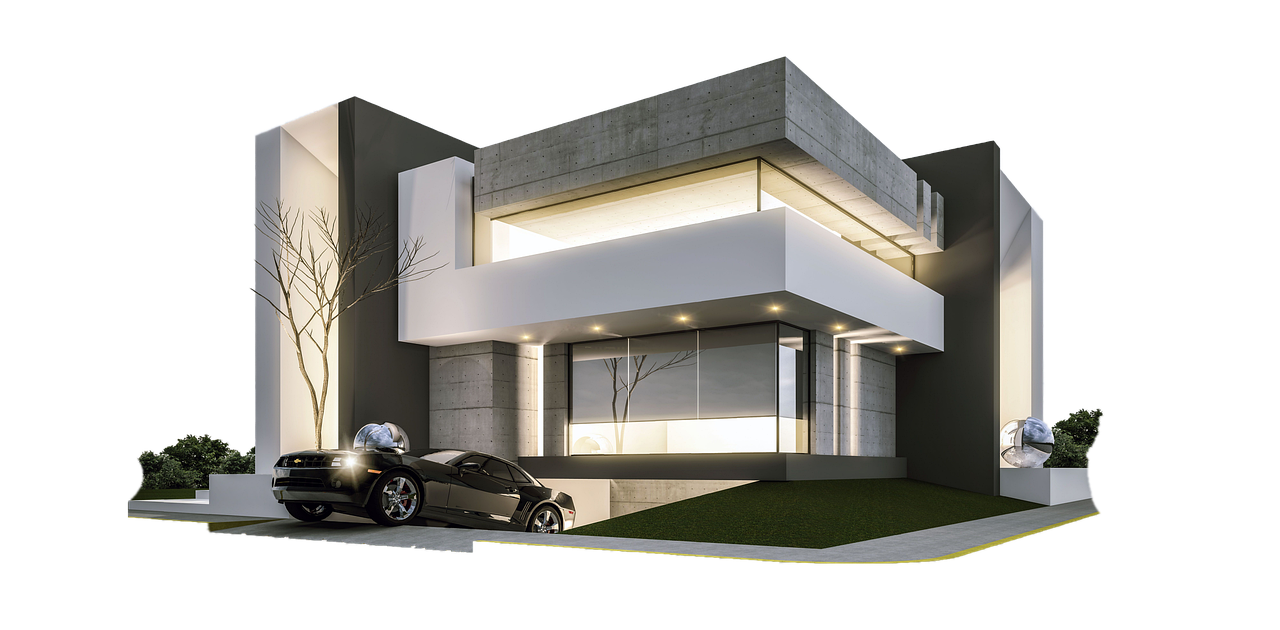
That's exactly what off-plan property buyers face. They're handing over deposits - sometimes hundreds of thousands of dollars - for apartments and houses that exist only on paper. And here's the thing: most people aren't architects. They can't look at floor plans and instantly visualize crown moldings or how morning light will spill across the kitchen counter. Professional 3d rendering services have fundamentally changed this equation, transforming abstract concepts into tangible visual experiences that buyers can emotionally connect with.
According to the National Association of Realtors, 97% of homebuyers use the internet during their property search. What catches their attention first? Visuals. Always visuals.
Why Traditional Marketing Falls Short for Pre-Construction Sales
Floor plans are useful. Site maps help. But let's be honest - they're about as exciting as reading assembly instructions for furniture.
The human brain processes images 60,000 times faster than text. When potential buyers see a photorealistic render of their future living room bathed in golden hour light, something clicks. They stop seeing square footage. They start seeing home.
Frank Lloyd Wright once said: "You can use an eraser on the drafting table or a sledgehammer on the construction site."
In pre-sale real estate, there's no construction site yet. Which makes visualization not just helpful - essential.
What Buyers Actually Want to See
Before committing to a property purchase, buyers typically need answers to these questions:
- How will natural light move through the space throughout the day?
- What will the view look like from my balcony?
- How does the building fit into the surrounding neighborhood?
- Will my furniture work in these room dimensions?
- What's the actual quality of finishes I'm paying for?
Static images and blueprints answer maybe one of these. Maybe.
The Psychology Behind Visual Decision-Making
Here's something fascinating. A study published in the Journal of Consumer Research found that when people can vividly imagine owning a product, they value it significantly higher. This is called the "endowment effect" - and it works even for things you don't own yet.
3D visualization triggers this psychological response. When buyers virtually walk through their future penthouse, their brain starts treating it as already theirs. The emotional investment happens before the financial one.
Trust Building Through Transparency
Skepticism runs high in off-plan purchases. Horror stories about developments that looked nothing like the brochures have made buyers cautious. Understandably so.
Photorealistic renders bridge this trust gap by showing:
- Exact material specifications and textures
- Accurate spatial proportions and room dimensions
- Realistic lighting conditions at different times of day
- True-to-life exterior finishes and landscaping
- Precise neighborhood context and views
No smoke and mirrors. What you see is genuinely what you'll get.
Faster Sales Cycles Mean Everything
Time is money. Nowhere is this truer than real estate development.
Every month a project sits unsold, developers pay carrying costs - interest on loans, taxes, insurance. These numbers add up fast. A development with $50 million in construction financing at 8% interest bleeds roughly $333,000 monthly just waiting for buyers.
Projects using high-quality 3D visualization report 30-40% faster pre-sale rates compared to those relying on traditional marketing materials.
As architect Bjarke Ingels puts it: "Architecture is the art and science of making sure that our cities and buildings fit with the way we want to live our lives."
Visualization lets buyers see that fit before ground is broken.
The International Buyer Factor
Global real estate investment hit $1.3 trillion in 2022. Many of these investors never physically visit properties before purchasing. They're in Hong Kong buying Miami condos. In London investing in Dubai developments.
For these buyers, 3D renders aren't just helpful - they're the entire decision-making toolkit. Virtual tours, aerial visualizations, and interior renders become the property viewing.
Beyond Pretty Pictures: Practical Applications
Modern 3D visualization goes far deeper than marketing renders. Smart developers use it throughout the sales process:
- Virtual staging - showing the same unit with different furniture styles and configurations
- Daylight analysis - demonstrating how sunlight enters spaces across seasons
- View studies - revealing exactly what buyers will see from every window
- Construction progress visualization - keeping buyers engaged during building phases
- Customization tools - letting buyers select finishes and see results instantly
Each application addresses a specific buyer concern. Each builds confidence.
The Numbers That Matter
Let's talk ROI. Because ultimately, that's what drives adoption.
Real estate marketing budgets typically run 1-3% of project value. For a $100 million development, that's $1-3 million. Professional 3D visualization packages - comprehensive ones including exteriors, interiors, aerials, and animations - might represent 5-10% of that marketing spend.
The return? Projects report:
- 40% increase in qualified inquiries
- 25% reduction in time-to-sale
- Higher deposit conversion rates
- Fewer buyer withdrawals during construction
- Premium pricing justification through quality perception
Numbers that make CFOs smile.
What's Changing the Game
Technology keeps pushing boundaries. Real-time rendering engines now produce cinema-quality visuals in seconds rather than hours. Virtual reality headsets let buyers literally walk through unbuilt spaces. Augmented reality apps overlay future buildings onto existing sites.
The gap between rendered image and built reality shrinks constantly. Which means buyer confidence grows proportionally.
Looking Forward
Pre-construction real estate sales will never return to blueprint-and-imagination days. Buyers expect visualization. They demand it. And developers who deliver compelling visual experiences will continue winning market share.
The question isn't whether to invest in quality 3D visualization. It's whether you can afford not to. In a market where emotional connection drives purchasing decisions, the ability to show - not just tell - makes all the difference between "interested" and "sold."