How Boston’s Neighborhoods Quietly Shape the Price of a Lease
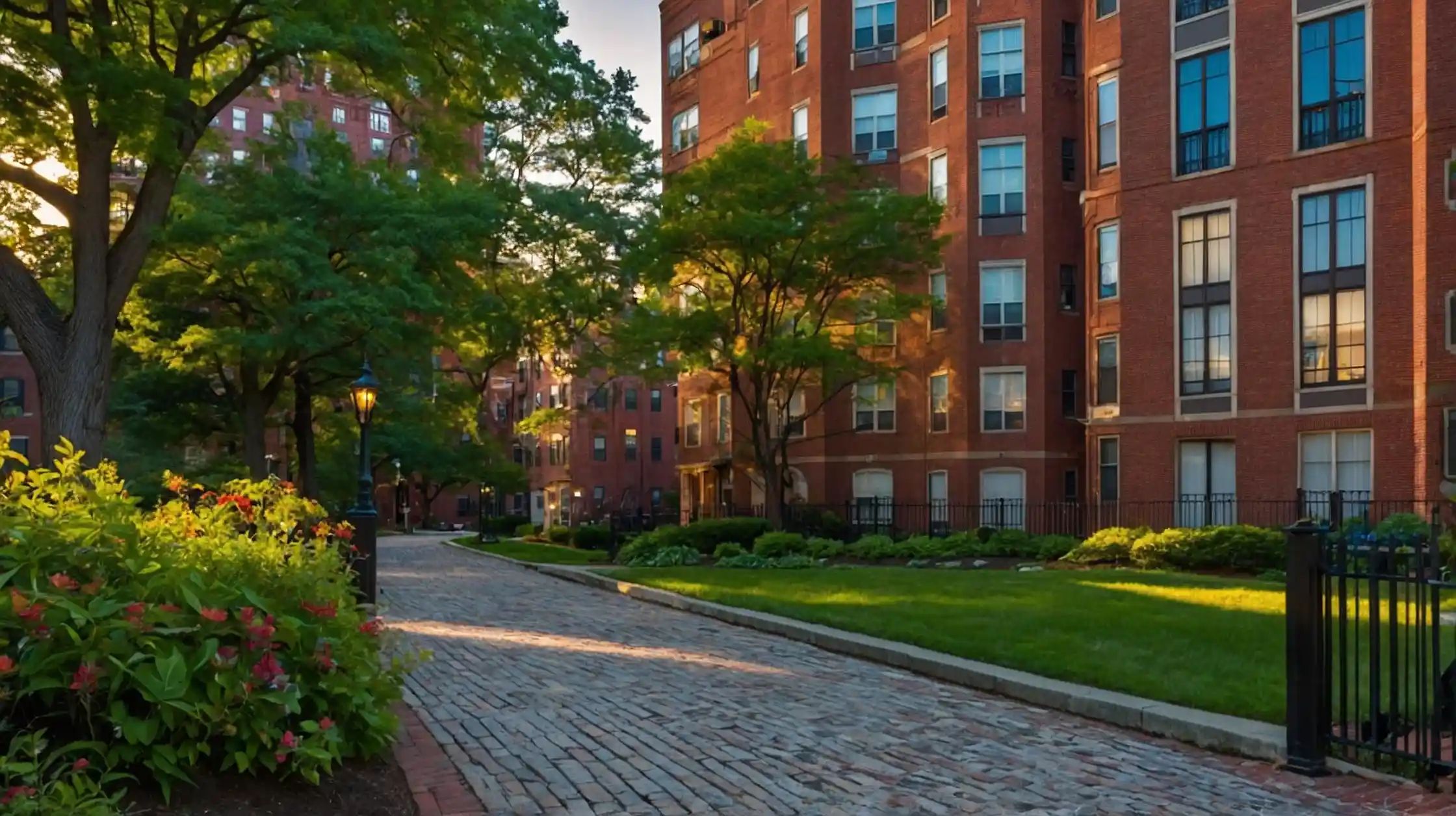
Ask two renters in Boston what they pay for a one bedroom apartment, and the answers can be shockingly far apart even though both people live within the same city limits. A unit in the Back Bay might rent for well over three thousand dollars a month, while a similar layout in parts of Dorchester or Roslindale could go for a fraction of that. This is not a coincidence or a quirk of a single landlord’s pricing strategy. It reflects a pattern that shapes the entire rental market across the city and its surrounding towns.
For someone who grew up somewhere with a more uniform housing market, this range can be confusing at first. Boston is really a patchwork of dozens of distinct neighborhoods, each with its own history, architecture, and reputation, and rental prices follow that patchwork closely. Making sense of why one zip code costs so much more than another sitting just a few miles away requires looking past the surface and paying attention to a handful of factors that consistently drive the numbers up or down.
Back Bay and Dorchester Tell Two Different Stories
Back Bay, the South End, and parts of Beacon Hill sit at the top of the price range for a reason that goes beyond their well known addresses. These neighborhoods combine tree lined streets, historic brownstones, and walking distance access to downtown offices, restaurants, and the Charles River Esplanade. Renters willing to pay a premium here are often buying convenience as much as square footage, since daily errands and commutes shrink dramatically when a subway stop and a grocery store sit within a few blocks of the front door.
Dorchester, Roslindale, and parts of East Boston tell a different story, one built around larger unit sizes, quieter streets, and a slower pace that appeals to families and long term residents. Commutes into downtown take longer, and the immediate walkability is not always as strong, but renters gain more space for their money and access to neighborhoods that still carry a strong sense of community. Prices in these areas trail the city’s most expensive zip codes by a wide margin, even though the actual travel time downtown is often measured in minutes rather than hours.
Transit Access Shapes the Numbers More Than People Expect
Proximity to a subway line or a commuter rail stop consistently ranks among the strongest predictors of rental price across the Boston area. A building sitting directly above a Red Line or Orange Line station can command a noticeably higher rent than a comparable unit ten minutes away on foot, simply because that extra distance changes someone’s daily routine. Renters who work downtown or in the Seaport district often treat a short commute as a non negotiable requirement, which pushes demand, and therefore price, toward anything close to reliable transit.
This dynamic extends beyond the city limits into towns like Somerville, Medford, and Quincy, where the arrival or expansion of transit service has visibly reshaped local rental markets over the past decade. Areas that once felt disconnected from Boston proper have seen steady increases in demand as commuter rail and subway extensions made the trip downtown faster and more predictable. Landlords in these growing corridors have adjusted pricing accordingly, narrowing the gap between these towns and neighborhoods that have always been considered part of the city’s core.
Building Age and Amenities Add Another Layer
Beyond location, the physical condition and age of a building play a significant role in determining rent. A newly constructed complex with an elevator, in unit laundry, and a fitness center will almost always command a higher price than a triple decker built a century ago, even if both sit on the same street. Renters willing to trade some modern convenience for character and space often find that older buildings offer noticeably more square footage for the same monthly budget.
At the same time, older buildings vary enormously in condition depending on how consistently the owner has invested in upkeep over the years. Two triple deckers built in the same decade, a block apart, can carry very different price tags if one has been renovated with a newer water heater installed by a service such as plumbingpremier.com, updated wiring, and refreshed finishes, while the other has been left mostly untouched. This variation means that renters cannot rely on a neighborhood’s reputation alone and often need to compare several units directly before settling on a fair price for what they are actually getting.
A Few Ways Renters Can Search Smarter Across Neighborhoods
Given how much prices shift from block to block, renters benefit from casting a wider net rather than fixating on a single neighborhood from the start. Comparing a handful of areas with similar transit access, even if their reputations differ, often reveals options that fit a budget far better than the most talked about neighborhoods ever will. Someone willing to consider Allston alongside Brighton, or Somerville alongside parts of Cambridge, usually finds more room to negotiate and more choices overall.
It also helps to weigh trade-offs honestly rather than assuming a shorter commute is always worth the extra cost. A slightly longer ride on a reliable transit line can offset a meaningful amount of monthly rent, freeing up a budget for a larger unit or additional savings. Renters who take the time to map out these comparisons across a few different areas tend to end up with a lease that fits both their lifestyle and their finances, rather than one chosen simply because it was the first listing that looked appealing.
Every Neighborhood Offers a Different Kind of Value
Boston’s rental market rewards renters who take the time to look beyond a single zip code and consider what each neighborhood actually offers for the price. A higher rent in one area might buy convenience and walkability, while a lower rent somewhere else might buy space and a quieter pace of life. Neither option is inherently better, and the right choice depends entirely on what a renter values most in their daily routine.
As transit lines expand and neighborhoods continue to evolve, these price patterns will keep shifting in ways that create new opportunities for renters willing to stay flexible. Paying attention to these trends, rather than assuming prices will stay fixed to old reputations, gives renters a real advantage when searching for their next home across Boston and the surrounding towns.