PuroAir and HEPA Filtration: How 99.9% of Airborne Particles Get Trapped
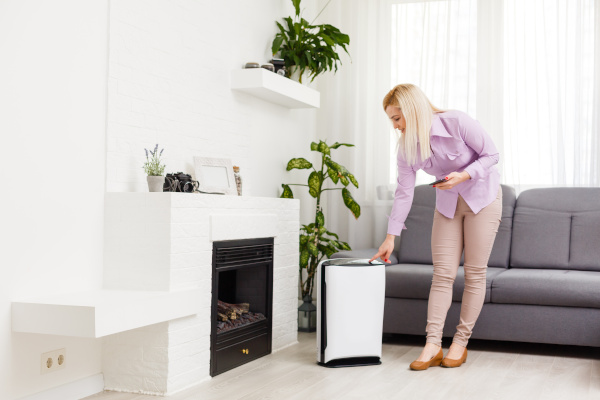
Indoor air pollution can exist even in the cleanest houses. Tiny particles like dust, pollen, pet allergens, smoke particles, and so on can get indoors through certain practices, open windows, cooking, and outdoor pollution.
Since a majority of people spend a large part of their time indoors, it is essential to ensure that indoor air stays clean. The United States Environmental Protection Agency (EPA) states that the use of portable air cleaners is effective in reducing indoor particle pollution.
PuroAir is a modern air purifier that applies HEPA filtration systems to improve air quality indoors. In this guide, we will be discussing the mechanism of action of HEPA filtration systems, why they are efficient in removing airborne contaminants, and how to select and take care of your air purifier.
What Is HEPA Filtration?
HEPA filtration is a technology used in air purification through which 99.97% of particles with a size of 0.3 microns are filtered out by using a combination of interception, impaction, and diffusion methods. It results in the purification of the indoor air from various types of particles such as dust, pollen, smoke, mold spores, and other airborne particles.
What does "HEPA" mean?
HEPA is an acronym for High Efficiency Particulate Air. Essentially, a HEPA filter consists of a very fine web of fiber where it traps the air-borne particles through it.
As opposed to ordinary air filters, which usually catch only large dust particles, HEPA filters are designed to remove very tiny airborne particles. Although the regular HVAC filters protect the heating/cooling system, there is also a special HEPA air purifier to clean up the indoor air in each particular room.
Interception
Interception occurs when small particles follow the airflow through the filter but come close enough to touch a fiber. After coming into contact, they will remain attached to the fiber rather than passing through the filter.
It works best with medium sized airborne particles like pollen and dust.
Impaction
Larger particles behave differently. Because they have greater mass, they cannot easily follow the changing airflow around filter fibers.
Instead, the particles are directly captured in the fibers and trapped. This system is effective at trapping bigger particles, like pet hair, dust, and mold spores.
Diffusion
The tiny microscopic particles travel randomly in the air in a phenomenon called Brownian motion.
Instead of moving in a straight line, these particles' random movements increase the likelihood that they will touch the filter fibers. Diffusion is what makes HEPA filtration highly effective at capturing the very smallest airborne pollutants.
Which Airborne Particles Can a HEPA Air Purifier Remove?
A quality hepa air purifier can help reduce a wide variety of airborne particles, including:
- Dust
- Pollen
- Pet dander
- Mold spores
- Smoke particles
- PM2.5 (fine particulate matter)
- Airborne bacteria
- Some viruses are attached to respiratory droplets.
It is vital to mention that HEPA filters only collect particles, but not gases or odors. In case of the presence of smoke odors or Volatile Organic Compounds (VOC), many air purifiers apply HEPA filtering along with an activated carbon filter to clean the air better. The EPA also recommends activated carbon filtration when reducing certain gases is a goal.
Why does PuroAir use advanced HEPA Filtration?
Many contemporary air cleaners tend to feature multi-stages filtration techniques instead of just one stage filter technique.
For instance, PuroAir utilizes multi-stages filtration method that incorporates a pre-filter for catching large materials, HEPA air filters to catch smaller materials, and an activated carbon filter to assist in reducing odors and some gases.
The multi-stage filtration technique facilitates efficient air purification while air remains circulated inside the room. Just like with any portable purifier, selecting an appropriate device according to the room size is very important. According to the EPA, one should select an air cleaner whose CADR matches the room size.
Are Air Purifiers Worth Buying for Everyday Homes?
For many households, the answer is yes—provided expectations remain realistic.
People often ask, are air purifiers fsa eligible? The answer depends on your health plan and whether the purchase meets your provider's eligibility requirements. Some Flexible Spending Accounts (FSAs) may reimburse an air purifier when it is considered medically necessary, but coverage varies.
Air purifiers can be particularly helpful for:
- People with seasonal allergies
- Families with pets
- Homes with frequent cooking odors or smoke
- Individuals seeking cleaner indoor air
- Those managing asthma symptoms under the guidance of a healthcare professional
While an air purifier may not remove all indoor pollutants from the environment, it can combine with routine cleaning, adequate ventilation, and source control to enhance indoor air quality.
Tips for Getting the Best Performance from Your Air Purifier
Getting the most from even the best air purifier requires proper use and routine maintenance.
Here are some of the useful tips:
- Pick a purifier based on the size of the room you want to purify.
- Change filters depending on the manufacturer's guidelines.
- Make sure the doors and windows are tightly closed whenever the outdoor air quality is poor.
- Operate the purifier continuously or for a long period to allow maximum air flow.
- Install the device in an open place and avoid placing it near any walls or big furniture.
People also ask, how often do HEPA air filters need to be changed?
The answer will depend on the manufacturer's instructions, household circumstances, and frequency of use of the air purifier. Filthy filters reduce airflow and filtering efficiency, so changing them frequently is necessary.
Final Thoughts
HEPA filtration systems are some of the best particle-removal technologies available on the market as they use the methods of interception, impaction, and diffusion to collect contaminations from the air that flows through the filter. Although HEPA filters are not designed to clean all types of indoor pollutants, they are essential when it comes to cleaning indoor air from dust, pollen, pet hair, smoke particles, and other allergens.
By using such purification technology together with activated carbon filtration and room-sizing with correct filter replacement, a high-quality air purifier can help people clean indoor air and improve their lives. An example of an air cleaning system based on HEPA filtration technology is PuroAir, which follows generally accepted standards of indoor air cleaning and purification. It provides a balanced solution for the improvement of indoor air quality without replacing natural ventilation or cleaning.