What Every Renter Should Know About HVAC
Most renters never think about the heating and cooling system until it stops working. Then, on the coldest night of the year, it suddenly becomes the most important thing in the apartment. A little knowledge ahead of time saves a lot of stress.
You do not need to be a technician to manage it well. Knowing the basics, and when to call a pro like Handy Bros Heating and Air Conditioning, keeps an apartment comfortable and the bills reasonable. This guide covers what every renter should know about HVAC.
What Does an Apartment HVAC System Include?
HVAC stands for heating, ventilation, and air conditioning. In an apartment, it is the system that keeps you warm in winter, cool in summer, and breathing clean air year-round.
The setup varies by building. Some apartments have a central system shared across units, while others have their own furnace, heat pump, or window units. Knowing which type you have is the first step to managing it.
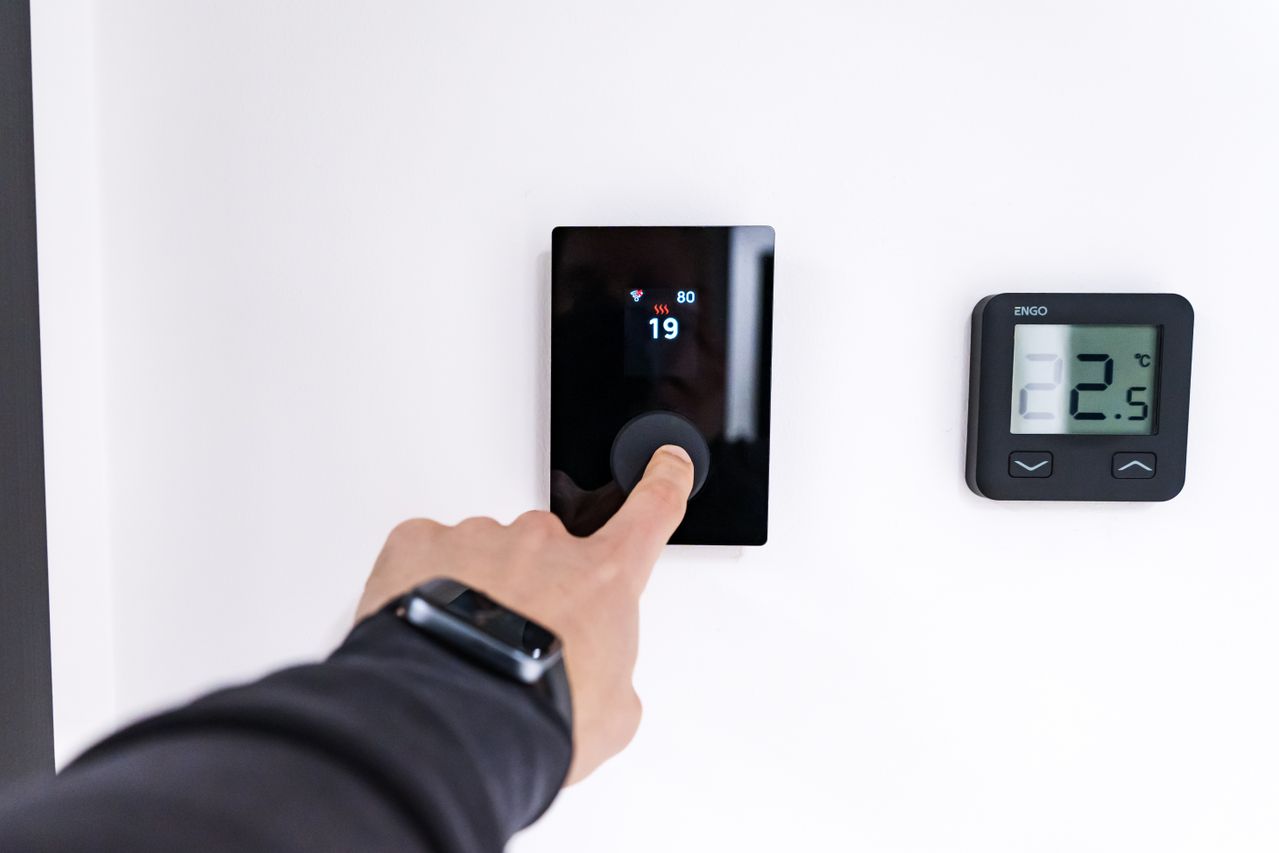
The control you touch most is simple. A thermostat is the control that sets and maintains a room's temperature. Learning to use it well is the single biggest lever a renter has over comfort and cost.
How Can Renters Save On Heating and Cooling?
Energy bills are often a renter's largest variable cost. Small habits add up to real savings over a year.
Smart thermostat use leads the list. The Department of Energy notes that programmable thermostats help cut energy use by adjusting the temperature automatically when you are out or asleep. A few degrees, consistently, makes a visible difference on the bill.
A handful of habits do most of the work:
- Adjust when away. Set back the temperature when out.
- Use fans. They make a room feel cooler for less.
- Block drafts. Seal gaps around windows and doors.
- Manage blinds. Close them against the summer sun.
- Layer up. A sweater beats cranking the heat.
Each habit is free or cheap. Together they can trim a meaningful slice off monthly costs.
Do Thermostat Settings Really Matter?
More than most renters expect. The thermostat is where comfort and cost meet.
Setting it a few degrees lower in winter and higher in summer reduces how hard the system works. Over a season, that small change compounds into noticeable savings. A programmable or smart thermostat makes it effortless by doing the adjusting for you.
Why Does Air Quality Matter In Apartments?
Indoor air can be surprisingly worse than the air outside. In a sealed apartment, dust, moisture, and pollutants build up without good ventilation.
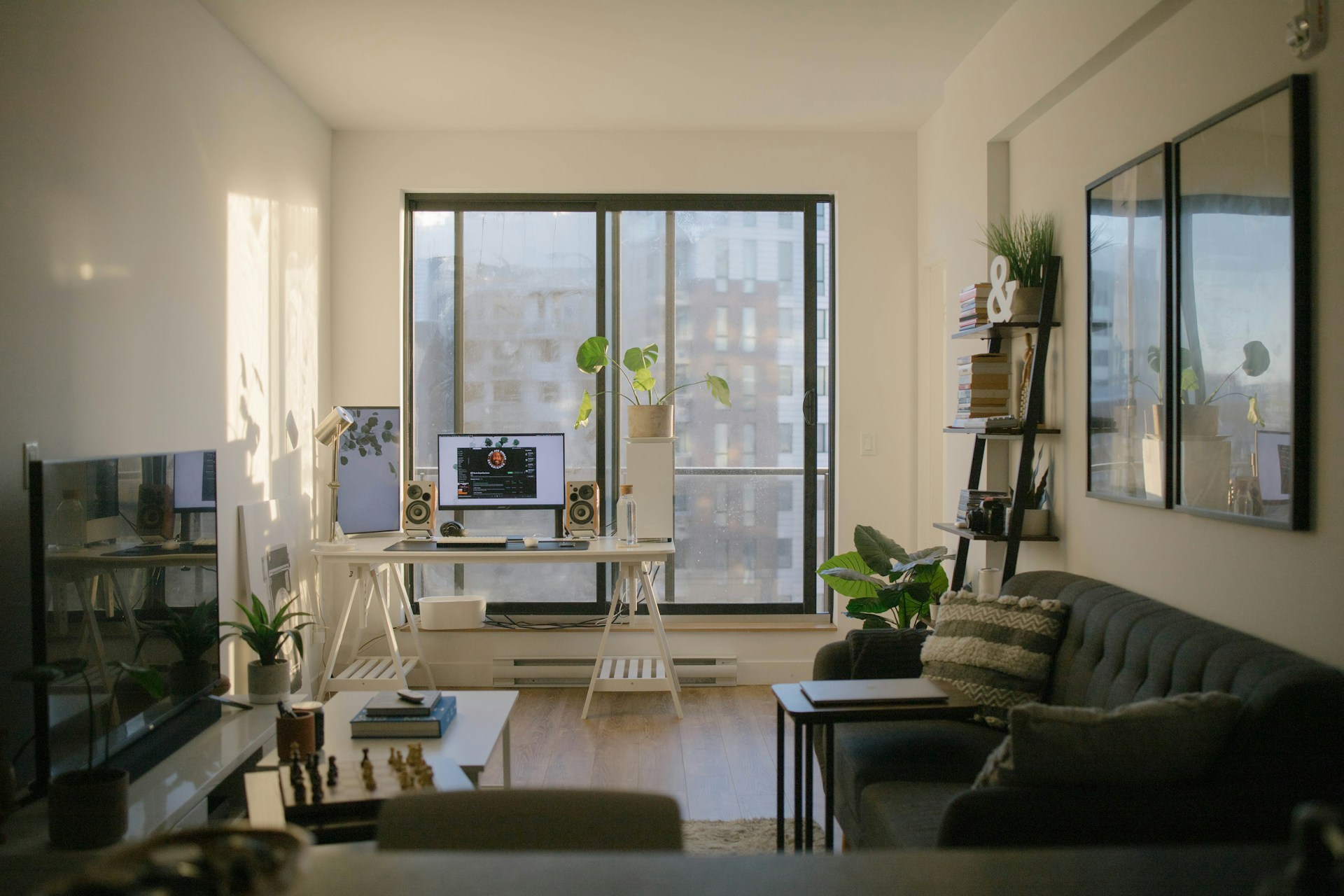
Photo by Med Badr Chemmaoui on Unsplash
An air filter traps dust and particles before they circulate through a home. Changing it regularly is one of the simplest ways to protect your air. The EPA's guide to air cleaners ranks clean filters and good ventilation among the most effective steps. Part of keeping your rental in good condition is staying on top of those filters.
The payoff is real and immediate. Cleaner air means fewer allergens, less dust, and a system that runs more efficiently too.
| Renter task | Why it helps |
|---|---|
| Change air filters | Cleaner air, better efficiency |
| Use the thermostat well | Lower heating and cooling bills |
| Keep vents clear | Even airflow through the home |
| Report issues early | Prevents small faults from growing |
| Ventilate when cooking | Controls moisture and odors |
The pattern is simple. A little routine attention prevents most apartment HVAC headaches.
When Should You Call a Professional?
Some things are a renter's job, and some are not. Knowing the line saves time and avoids overstepping a lease.
Changing a filter or resetting a tripped breaker is fair game. But anything involving refrigerant, wiring, or the system itself belongs to a professional, usually arranged by the landlord. Advances in apartment HVAC technology mean modern systems need trained technicians, not guesswork.
The rule of thumb is clear. If a fix needs tools, parts, or expertise, report it rather than attempt it.
What Should Renters and Landlords Each Handle?
Responsibilities split along a predictable line. Knowing yours prevents disputes and delays.
A quick guide to who does what:
- Renter: filters. Replace them every few months.
- Renter: reporting. Flag problems early and in writing.
- Landlord: repairs. Fix the system and major faults.
- Landlord: servicing. Arrange annual professional checks.
Together this keeps the system healthy and the relationship smooth. Clear lines mean problems get solved instead of ignored.
What to Remember
- Know whether your apartment has central or individual HVAC.
- The thermostat is a renter's biggest tool for cutting bills.
- Programmable settings save energy with no effort.
- Change air filters regularly for cleaner, healthier air.
- Report system faults early and leave repairs to a pro.
- Renters handle filters; landlords handle servicing.
Comfort Within Your Control
An apartment's HVAC system does not have to be a mystery or a monthly worry. Understand what you have, use the thermostat wisely, keep the filters fresh, and know when a problem is yours to fix or your landlord's to handle. Those few habits keep your home comfortable, your air clean, and your bills under control. The system runs quietly in the background, exactly as it should, and you stay firmly in charge of your own comfort.
Frequently Asked Questions
Who Is Responsible for HVAC Repairs In a Rental?
Generally, the landlord is responsible for repairing and servicing the HVAC system, since it is part of the property. The renter's role is usually limited to simple upkeep, like changing air filters, and to reporting problems promptly. Check your lease for specifics, but anything involving refrigerant, wiring, or major components should always be handled by a professional the landlord arranges.
How Often Should Apartment Air Filters Be Changed?
Most filters should be changed every one to three months, depending on the type and on factors like pets and allergies. A clogged filter makes the system work harder, raises energy bills, and worsens indoor air quality. It is one of the easiest and most affordable maintenance tasks a renter can do, and it noticeably improves both comfort and efficiency.
How Can I Lower My Heating and Cooling Bills as a Renter?
Start with the thermostat: set it back when you are out or asleep, ideally with a programmable model. Use fans to feel cooler, block drafts around windows and doors, and manage blinds against the sun. Changing filters regularly also helps the system run efficiently. These small, mostly free habits add up to meaningful savings over a full year.
Why Is My Apartment's Air Quality Poor?
Common causes include dirty air filters, poor ventilation, excess moisture, and trapped pollutants from cooking or cleaning. Sealed modern apartments can hold these in without enough fresh air exchange. Changing filters, ventilating while cooking, controlling humidity, and keeping vents clear all help. If problems persist, mention them to your landlord, as the HVAC system itself may need professional attention.