Living Comfort in Boston Apartments During Harsh New England Weather
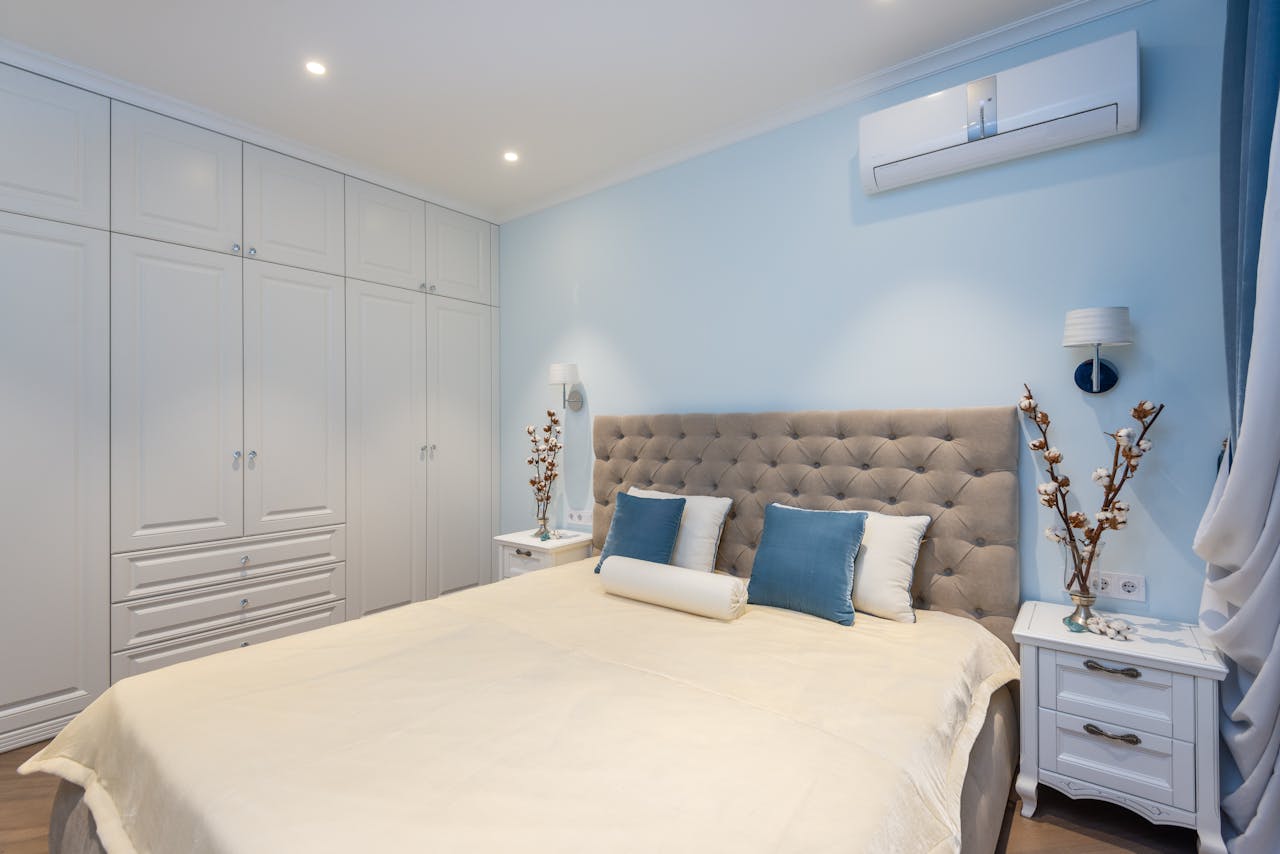
Boston apartments face unique challenges when it comes to maintaining a comfortable environment throughout the year. Winters bring cold temperatures, icy conditions, and strong winds that can quickly make a poorly insulated apartment feel drafty. Summer months, on the other hand, introduce heat waves and humidity that can create an uncomfortable indoor atmosphere if cooling systems are insufficient. Residents often have to rely on building infrastructure and property management practices to maintain livable conditions. Attention to heating, ventilation, and airflow can make a noticeable difference in day-to-day comfort, especially in older buildings with aging systems.
City living often means smaller spaces, shared walls, and limited natural ventilation. Without proper airflow and consistent temperature control, even minor weather fluctuations can result in noticeable discomfort. Practical adjustments, such as sealing windows, insulating pipes, and using thermostats effectively, can help maintain a steady indoor environment. These considerations are especially important in Boston, where weather can shift rapidly from sunny to freezing within a single day, and apartment residents may have varying schedules that make consistent temperature regulation more challenging.
Maintaining Indoor Air Quality and Climate Control
Indoor air quality is a critical aspect of apartment living that can affect both comfort and health. Buildings that are poorly ventilated or rely on outdated systems may experience stale air, increased dust, or unwanted humidity, which can aggravate respiratory conditions and reduce overall living satisfaction. Regular maintenance and monitoring of indoor climate play a crucial role in ensuring that the air remains clean and the temperature stable, particularly in apartments where residents have limited control over central systems.
This is where an experienced HVAC company becomes valuable. According to a HVAC company owner, professional service providers can assess system efficiency, recommend upgrades, and perform regular maintenance to prevent breakdowns during extreme weather. In Boston apartments, where older buildings often house multiple units, proper HVAC management can balance the needs of different residents while keeping energy consumption reasonable. Even small interventions, such as cleaning ducts or replacing filters, can significantly improve both temperature consistency and air quality throughout a building, ensuring residents remain comfortable regardless of outside conditions.
The Role of Building Infrastructure in Comfort
The physical structure of an apartment building heavily influences how residents experience indoor comfort. Older buildings may have uneven insulation, single-pane windows, or outdated heating units that struggle to keep pace with seasonal weather changes. In contrast, modern constructions often include energy-efficient windows, improved insulation, and integrated climate control systems designed to maintain stable temperatures across units.
Regular inspections of the building envelope, including walls, windows, and roofs, help identify areas where heat or cool air may escape. Property managers who prioritize building maintenance and climate monitoring create a foundation for comfort that benefits all residents. Properly maintained infrastructure works in tandem with mechanical systems to reduce the reliance on individual space heaters or portable air conditioning units, ensuring the indoor environment remains consistent and safe for occupants.
Energy Efficiency and Cost Considerations
Managing comfort in Boston apartments also involves balancing energy efficiency with cost. Heating and cooling can represent a significant portion of monthly expenses, especially in multi-unit buildings where climate control needs fluctuate among residents. Improving insulation, using programmable thermostats, and performing regular system maintenance are practical ways to control energy consumption without sacrificing comfort.
A reliable HVAC company can assist in optimizing energy efficiency while maintaining consistent indoor conditions. They can recommend equipment upgrades, implement zoning solutions, and adjust systems for optimal performance during extreme cold or heat. Taking these measures helps keep utility costs manageable while ensuring the building remains a comfortable place to live year-round. Residents benefit from fewer temperature swings, better air circulation, and a more controlled indoor environment.
Seasonal Challenges and Preventive Measures
Each season presents unique challenges for Boston apartment residents. Winter can bring frozen pipes, heating system failures, and drafts, while summer may lead to inefficient cooling and high humidity levels. Preventive measures, such as scheduling inspections before seasonal shifts, ensuring proper insulation, and maintaining mechanical systems, reduce the likelihood of discomfort or emergency repairs.
Working with an experienced HVAC company ensures that apartments are prepared for seasonal extremes. Professionals can detect weaknesses in heating or cooling systems and provide solutions before problems arise. By addressing these issues proactively, both residents and property managers can avoid sudden disruptions and maintain an environment that supports everyday living. Routine maintenance not only preserves comfort but also extends the life of building systems, creating long-term value for apartments and their occupants.
Additional preparation for seasonal shifts includes establishing clear protocols for emergency situations. For example, ensuring that heating systems have backup power sources, or that cooling units are checked for airflow efficiency, prevents sudden failures. Residents may also be informed of procedures to report issues quickly to property managers or service providers. Combining preventive care with clear communication ensures that comfort and safety are maintained regardless of how severe the weather becomes.
Comfort That Supports Daily Life
Comfortable living in Boston apartments is more than temperature control; it is about creating a stable, healthy environment where residents can focus on their routines without disruption. Attention to building maintenance, energy efficiency, and indoor air quality contributes to a living space that supports well-being and satisfaction. By combining proactive measures, professional support, and practical adjustments, apartments can provide a consistent level of comfort throughout the year.
Working with knowledgeable service providers ensures that both the building and its residents remain prepared for seasonal changes. A focus on sustainable comfort allows occupants to enjoy their homes without constant concern for temperature swings, system failures, or poor air quality. In addition, planning for small adjustments such as humidity regulation and air circulation improves long-term comfort for all occupants. Thoughtful preparation and reliable support create a livable environment that enhances both comfort and quality of life in Boston apartments.