After The Storm: What To Do When Your Home is Damaged
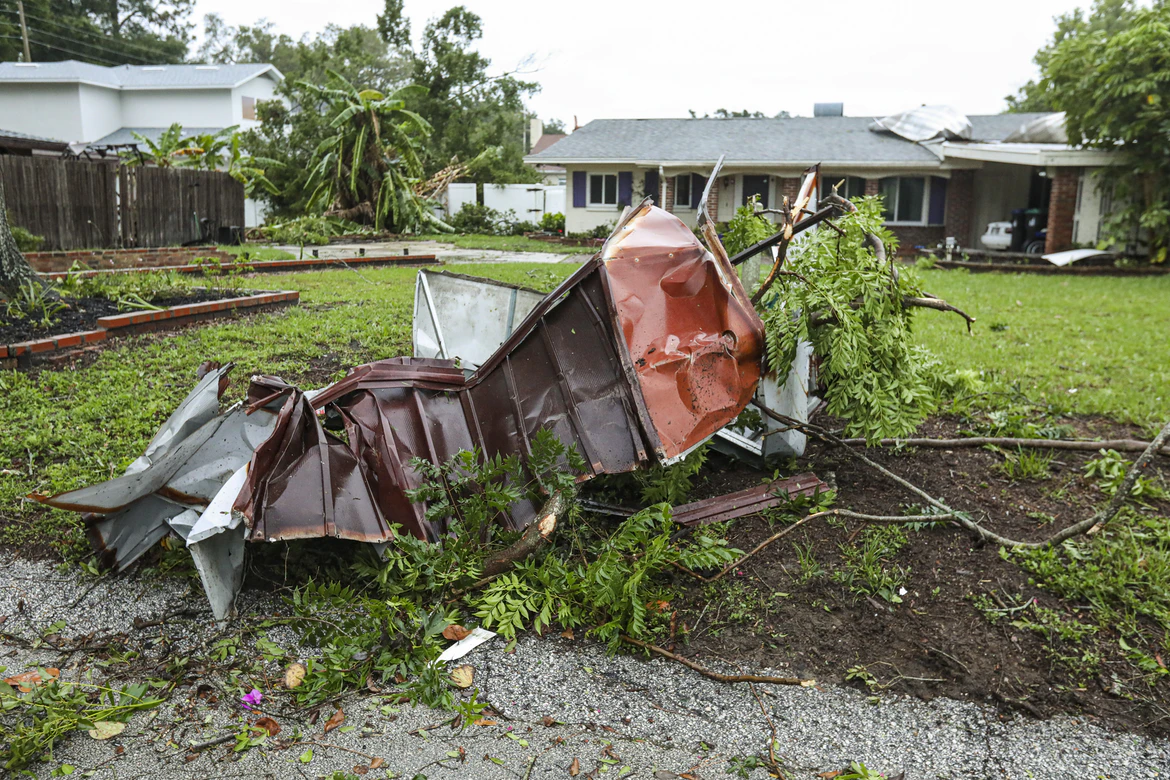
After a storm hits, there are many things that you have to do to get your life back to normal. The first thing is to ensure that everyone in your family is safe and accounted for. Once you have checked on your loved ones, it's time to assess the damage.
If a storm has damaged your home, it is important to take the proper steps to repair it. Here are some important things that you should do:
1. Assess the Damage
The first thing you need to do is assess the damage caused by the storm. This includes looking for any structural damage, such as cracks in the foundation or holes in the roof. Once you have a clear idea of the damage, you can start planning to repair it.
If the damage is too severe, you may need to contact a professional contractor to help with the repairs. If you have minor damage, such as broken windows or downed trees, you can start making repairs on your own. In either case, it is important to ensure that all of the repairs are made correctly to avoid further damage down the road.
2. Clean Up the Debris
The next step is to clean up any debris left behind by the storm. This includes things like downed trees, branches, and leaves. Depending on the storm's severity, this process can take a considerable amount of time.
It is important to be careful when cleaning up the debris, as there may be hidden dangers lurking beneath. Be sure to wear protective clothing, such as gloves and long sleeves, to avoid getting cut or scratched. Once the debris has been cleared away, you can start repairing any damage caused by it.
3. Contact Your Insurance Company and File a Claim
If you have damage covered by insurance, the next step is to contact your insurance company and file a claim. They will send an adjuster to assess the damage and determine how much they will cover.
Once you have received the insurance money, you can start making repairs. If you have any questions about what your policy covers, be sure to ask your agent for clarification.
Lone Star State residents never hesitate to reach out to their Texas windstorm insurance association agents so they could verify windstorm certification requirements, review deductible terms, and confirm whether temporary or supplemental repair expenses qualify under their policy. Getting clear guidance before hiring contractors ensures restoration work stays aligned with coverage rules and avoids unexpected out-of-pocket surprises.
4. Get Started on Repairs as Soon as Possible
The sooner you can get started on repairs, the better. This will help to avoid further damage and also help you get your life back to normal as quickly as possible. It may take some time to complete the repairs if you have significant damage.
In this case, it is important to focus on making necessary repairs first, such as fixing a hole in the roof or repairing a broken window. You can then move on to cosmetic repairs, such as painting or re-landscaping. No matter what damage you have, it is important to get started on repairs right away to minimize the storm's long-term effects.
5. Document All Storm Damage Before Starting Repairs
Before cleaning up or making repairs, take time to document the damage. Photograph and video everything, including damaged roofing, broken windows, water entering the basement, damaged appliances, and fallen trees. Take pictures from multiple angles and keep a record of when the damage occurred.
This documentation can be particularly important when filing a homeowners insurance claim. Keep receipts for any emergency expenses, temporary repairs, or materials purchased to protect the property from additional damage. If you hire contractors, save their estimates, invoices, and written communications as well.
Having a detailed record can make the insurance claims process easier and help prevent disagreements about the extent of the damage.
6. Check for Hidden Water Damage and Mold
Not all storm damage is immediately visible. Heavy rainfall, flooding, and roof leaks can allow moisture to enter walls, ceilings, basements, and crawl spaces. Even if the visible damage appears minor, moisture trapped behind drywall or underneath flooring can create problems later.
Pay attention to musty odors, discoloration, bubbling paint, and damp carpeting. These can indicate moisture problems that need further investigation. Wet materials should be dried as quickly as safely possible, and extensive water damage may require professional restoration services.
Mold can begin developing within 24 to 48 hours under favorable conditions, so addressing moisture promptly is important. If you suspect significant water intrusion, consider having the property inspected before beginning cosmetic repairs.
7. Make Sure Your Utilities Are Safe
Storms can damage electrical wiring, gas lines, heating systems, and other essential utilities. Floodwater can also create electrical hazards, particularly in basements where electrical panels, outlets, and appliances may be located.
If water has entered your home, avoid touching electrical equipment or entering flooded areas where electrical hazards may exist. Have a qualified electrician inspect potentially damaged electrical systems before restoring power. If you smell gas or suspect a damaged gas line, leave the property and contact the appropriate emergency service or utility provider from a safe location.
It is also worth checking your heating and cooling equipment, especially if the storm caused an extended power outage.
8. What Should Renters Do After a Storm?
Storm damage isn't just a concern for homeowners. Renters may also experience roof leaks, basement flooding, broken windows, heating problems, or other damage that affects the safety and comfort of their apartment.
If you rent your home, notify your landlord or property manager as soon as possible after discovering damage. Take photographs, describe the problem in writing, and keep copies of all communications. Avoid attempting major repairs yourself unless you have received authorization.
Renters should also review their renters insurance policy. While the landlord's property insurance generally covers the building itself, renters insurance may provide coverage for personal belongings damaged by certain covered events. Coverage varies by policy, and flooding may require separate coverage.
If the apartment becomes unsafe or uninhabitable, contact your landlord promptly and seek guidance from local housing authorities about your rights and available options.
9. Take Steps to Protect Your Home From Future Storms
Once repairs are complete, consider making improvements that can reduce the risk of similar damage during the next severe storm. Start by inspecting the roof, gutters, downspouts, windows, and exterior doors. Make sure gutters are clear and that water drains away from the foundation rather than collecting around the house.
If your property has a basement, consider whether a sump pump, backup power source, or improved drainage system would help reduce flooding risks. Trim tree branches that hang over the roof and secure outdoor furniture and other loose items before severe weather arrives.
For older homes, periodic inspections of the roof, foundation, and drainage systems can help identify vulnerabilities before they turn into expensive repairs.
Selling a Damaged House
If you're looking to sell storm-damaged houses in Wyoming, the best solution is to look for a home buyer who will buy it as-is and for cash. This will allow you to avoid any repairs and close the sale quickly. Homebuyers are a great option if you're looking to sell quickly and avoid the hassle of repairs.
Conclusion
Recovering from storm damage takes time, careful planning, and attention to detail. From assessing the initial damage and contacting your insurance company to making repairs and addressing hidden moisture problems, each step plays an important role in restoring your home.
Whether you own a house or rent an apartment, taking action quickly and documenting any damage can help prevent additional problems. Once your property is back in good condition, consider making improvements that will help protect it against future storms. Being prepared can make the next recovery process much easier and potentially save you considerable time and money.